
She wasn't special. Then she was!
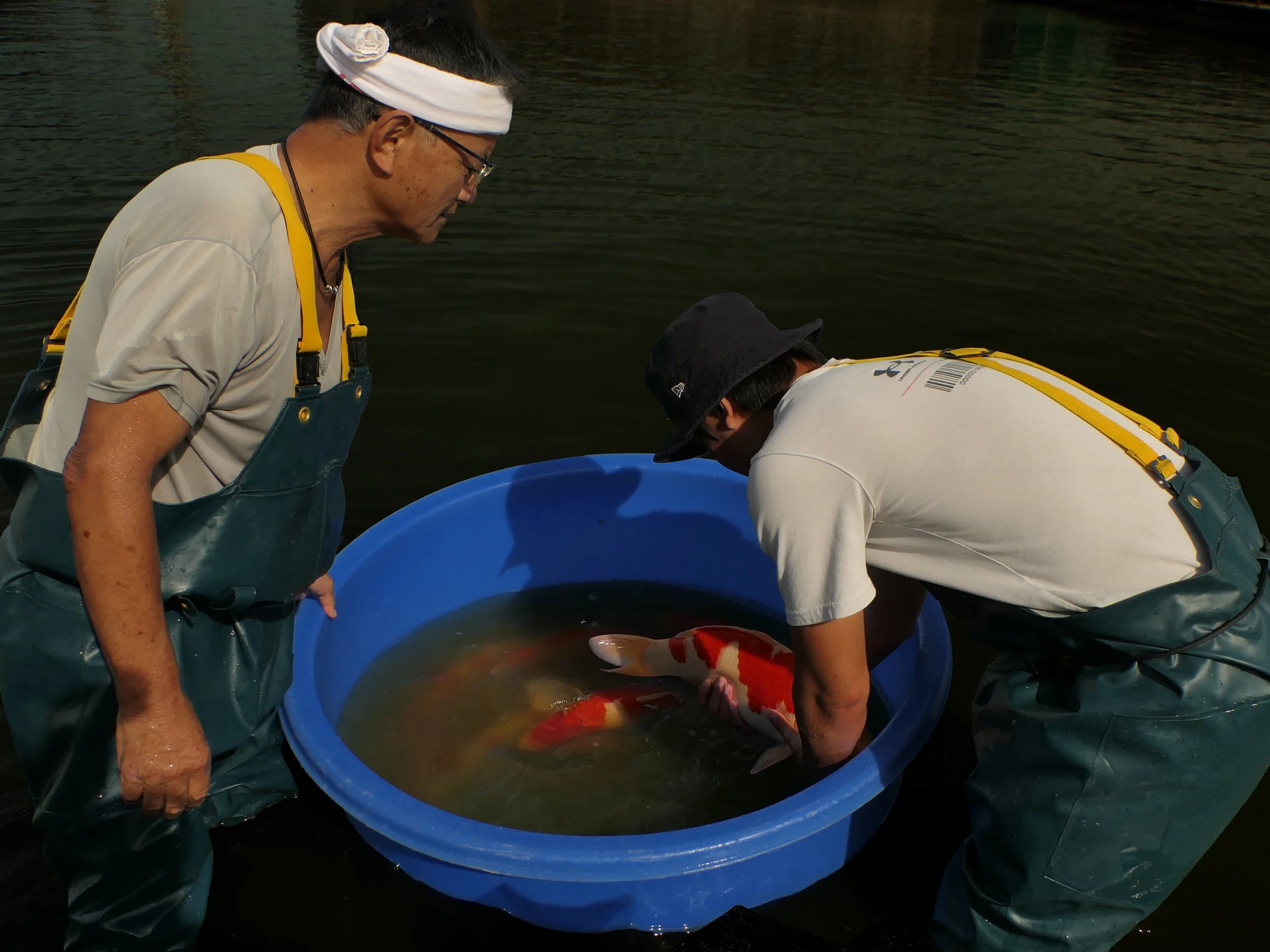
Eiji Konishi of Maruchiku Koi Farm inspect high-quality koi inside a floating blue tub during a mud pond harvest
Ask a breeder for their favourite fish and you usually get a rehearsed answer. A big number. A famous bloodline. A show result they've told a hundred times.
Eiji Konishi didn't give us that.
He gave us a fish that, by his own admission, nobody saw coming.
We sat down with the Maruchiku Koi Farm owner during his recent trip to England, hosted by his long-time friend Chris at Koi Masters in Barnsley. What started as a simple question about his favourite koi turned into one of the most honest koi interviews we've run in The Koi Perspective. This is Part 1.
The fish nobody rated
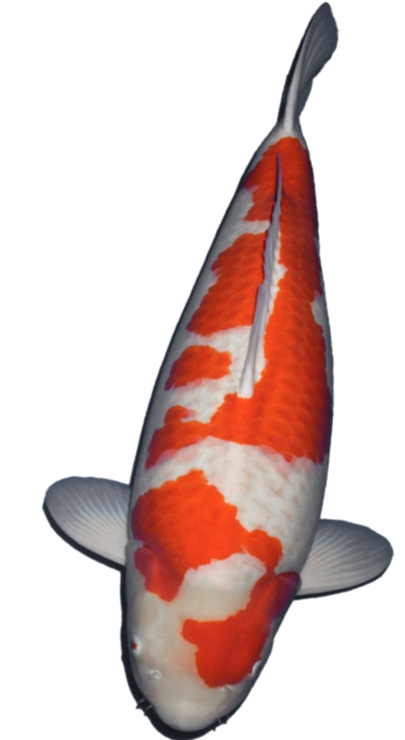
“It has to be a Kohaku” - Eiji told us.
“The one that won Grand Champion four years ago.”
That same fish is now stamped into the Maruchiku logo.
But here's the part that stops you: when she was Nisai, barely anyone looked twice at her.
“She was not very expensive at all," he said. "At that stage she was clearly a good fish, but not obviously that special."
Then something happened between Nisai and Sansai. Something breeders chase for years and rarely predict.
“It was really when she became Sansai that everything changed. Her body grew very well, the balance improved, and the strength of the fish became much clearer."
“A jump in koi growth rate that reshaped everything about her. “Looking back, it seems obvious," Eiji said. “But at the time we really didn't expect it."
She's in China now. Shipped at 88cm, she'd grown to roughly 95cm three years later, still sharp, still improving, with talk of an entry at the China Koi Show.
Eiji was asked the obvious question: with a Kohaku like that, why not keep her as oyagoi, breeding stock for the next generation?
His answer was blunt. “It's also really risky to use that value of koi as a parent. So I decided to sell this time."
The advice most UK keepers get backwards
If you've ever stood at a dealer's tank agonising over one small flaw on an otherwise beautiful fish, Eiji has a message for you.
"People focus too much on small bad points," he said. “A little bit of beni in the eye, little things like that. These are not big problems."
“He's seen it cost hobbyists good koi, and cost breeders sales they should have made." A koi should be judged as one complete fish, not as separate parts."
It ties back to something he sees as the real difference between koi keeping in Japan and koi keeping overseas, and it isn't the equipment.
“Filtration systems are different, pond sizes are different, but even with all those differences, keeping koi well is actually the same everywhere. The most important thing is always water."
Simple advice. The kind every UK koi society has heard before. But hearing it from someone whose entire livelihood depends on getting it right hits differently.
He doesn't breed for what sells fastest
Most breeders keep Tosai with finished patterns because they're easy to sell. Eiji goes the other way.
"I prefer growth potential. I like big koi. What matters most to me is body and structure. If sumi on my Showa's comes later, that is fine."
It's a slower, riskier way to breed. It's also, he suggests, the only way to get a fish like the Kohaku that started this whole conversation.
He almost didn't tell us this part
Here's what we didn't expect. When we asked Eiji what he'd have done if koi breeding hadn't found him, his answer had nothing to do with fish. Nothing to do with bloodlines, or shows, or Kohaku patterns.
It was something almost nobody in this hobby would guess, and once he explained why, it changed how we understood everything else he'd told us.
We also asked him about the one rule almost every UK show hobbyist follows without question: stop feeding two weeks before a show. His answer wasn't a small disagreement. It was a direct contradiction, backed by years of results, and it's the kind of thing that could change how you prep your own koi for next season.
That's Part 2. And it's coming soon.
If today's story told you anything, it's that Eiji doesn't give the answer you're expecting. Part 2 is where that really shows. Follow along so you don't miss it, this is exactly the kind of conversation the koi community doesn't get to hear often, and we're not done yet.

Features inside:
Lee Hadfield discusses his launch of Taffagucci Nishikigoi
The Daniel Adam Perspective
Eiji Konishi Maruchiku Koi Farm Interview
Introducing The Pond Products of the Year Awards.
Koi Appreciation - Digital Koi Show 2025
Koi Waters (USA) Imagery.
Want the whole conversation, unfiltered?
What you've read here is the short version.
The full interview, the parts we couldn't fit into either online post,
including Eiji's complete thoughts on
Tosai selection,
Japanese koi shows,
and
the social media question we didn't even touch on yet,
is printed in full in the February 2026 Founding Edition of
The Koi Perspective Magazine.
It's where this conversation actually lives.
If Eiji's growth-over-pattern line made sense, so will these
Eiji told us he'd rather grow a big koi slowly than chase a finished pattern early, “if sumi on my Showa's comes later, that is fine."
If that line made you smile, or you've had the exact same argument at your own pond with someone still chasing Kohaku and Sanke, these are for you.
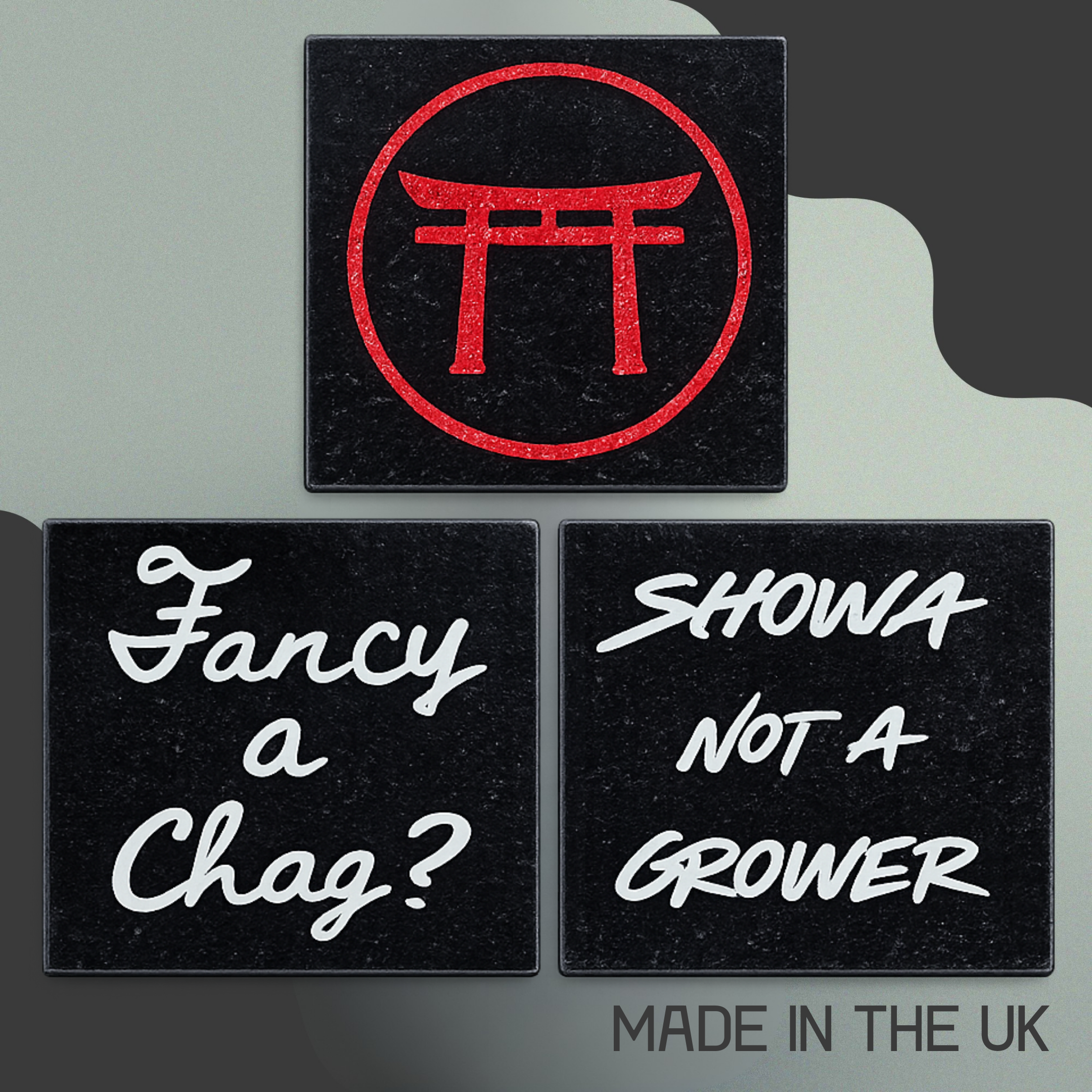
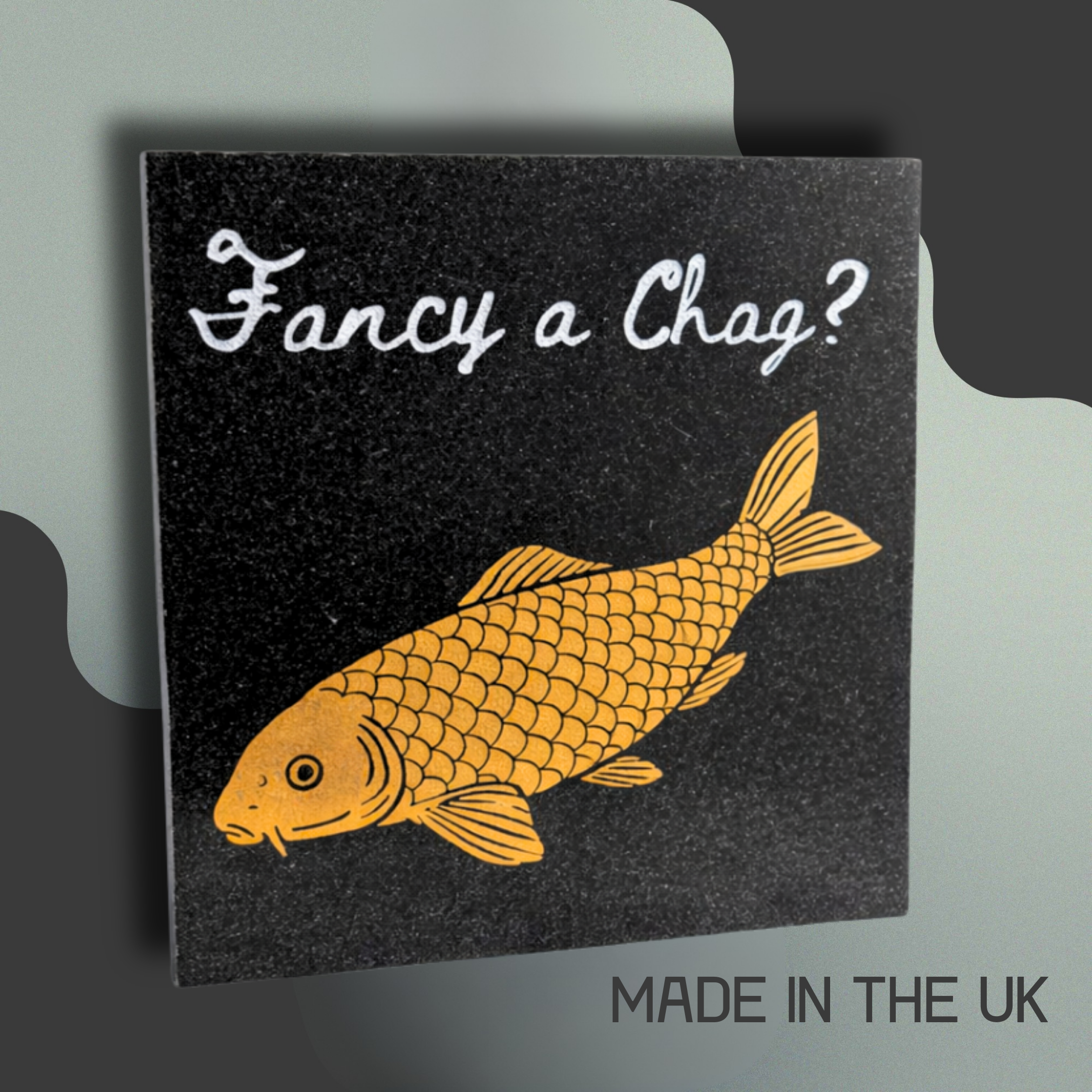
And if you're firmly on Team Eiji, patience over pattern, growth over show-ready looks on day one, this one says it plainly.
Solid granite, laser-etched, and cut from designs every koi keeper will recognise on sight, including the exact "Showa Not a Grower" line Eiji's growth-over-pattern philosophy backs up.
For the hobbyists who love a big, tame, food-mad Chagoi as much as any show-winning Kohaku, there's a plaque with your name on it too.
That's the full round-up for now - see you again in Part 2 and Discover more with The Koi Perspective!

Made in the UK by a Koi Hobbyist
Perfect for mounting beside your pond, fish room, or anywhere you want visitors to immediately understand your questionable taste in koi.
Weatherproof, heavyweight, and unapologetically niche, this plaque is ideal for koi keepers with a sense of humour and a soft spot for friendly, food-mad Chags. It’s the kind of sign that makes fellow hobbyists laugh… and non-koi people slowly back away.
✔ Solid polished granite
✔ Engraved design
✔ Outdoor ready, British weather approved
✔ Guaranteed to confuse normal people
✔ Guaranteed to impress koi people